When people ask about corporate interview videography in Mackay, they usually picture something formal: a boardroom, a lapel mic, someone reading off cue cards. In practice, the interviews I film for businesses here are rarely that stiff, and they come from all kinds of clients, not just head office. A site manager talking through a project. A manufacturer explaining what they actually make. A new business owner telling the story behind their name. The format is the same each time: one person, one camera, and a conversation that needs to sound like a person, not a press release.
That's really the definition I work to: if a business needs someone to speak on camera about what they do, why they do it, or why it matters, that's a corporate interview, whether it happens in an office, on a work site, or on the deck of a property. The brief changes, the questions change, but the job underneath is the same, get a person talking honestly about something they actually know.
One of the more recent ones was for Binbe Nagali, a new Airbnb out at Rural View. That job is a good example of how this kind of interview usually sits inside a bigger shoot rather than standing alone.
A recent job: Binbe Nagali, Rural View
Binbe Nagali booked the Everything Package: photos, drone images, twilight images, a 3D floor plan and a highlight video. As part of the highlight video, I sat down with the owner, Sarah, to talk about the property and where its name comes from. Binbe Nagali translates roughly to "good look," a nod to the view over Mackay from the property. That's the kind of detail that only comes out if you actually ask, and it's exactly the sort of thing that ends up carrying the video, because it gives people a reason to care beyond the drone shot of the roofline.
That's the pattern I see across almost every business interview I film, whether the client is a new Airbnb owner, a manufacturer, or a site supervisor. The technical footage, the drone pass, the product shots, the b-roll, sets the scene. The interview is what makes someone stop scrolling and actually watch.
The practical stuff nobody thinks about at booking stage
The Binbe Nagali interview happened on a windy day, early afternoon, which is not the easiest combination for clean audio and even light. We picked a covered spot on the deck with a shady background to keep the look natural and stop the wind from wrecking the sound. That's a small decision, but it's the kind of thing that either gets handled properly or shows up as a problem in the edit. Wind noise on a lapel mic, harsh midday light bouncing off a white wall, a background that's technically pretty but pulls focus from the person talking, all of it is manageable if you're looking for it before you hit record, not after.
"I just chat to them, start with normal conversation, and lead in with an open question like 'tell me about...' People forget the camera's there once they're actually talking about something they know."
How I get someone talking naturally on camera
Most people who sit down for a corporate interview have never done it before, and it shows in the first thirty seconds if you push straight into formal questions. My approach is simpler than clients expect: normal conversation first, then an open question that gets them talking about something they already know inside out, rather than something they have to perform. I lean on ten years as a journalist for this. Interviewing isn't new to me, and that experience is what lets me read when someone's tensed up and needs a beat, or when they're relaxed and I can just keep them talking.
What Mackay businesses get wrong about booking this
The most common misconception I run into is that the whole process is going to be serious and a bit scary, like sitting in front of a panel. It isn't. Because of my background, I treat it more like a conversation than an interrogation, and that's deliberate. Nobody delivers a natural answer to a question that feels like a test. The businesses that get the most out of their interview footage are the ones who show up expecting a chat, not a performance.
The other thing worth knowing before you book is that you don't need a script, and you shouldn't bring one. Written answers read exactly like what they are on camera, stilted and over-rehearsed. I'd rather spend five extra minutes on site letting someone settle in and talk it through once off the cuff than have them recite lines they memorised the night before. The best answers I've filmed have almost always come after the "real" interview technically started, once the person forgot they were meant to be performing.
Why the regional angle actually matters
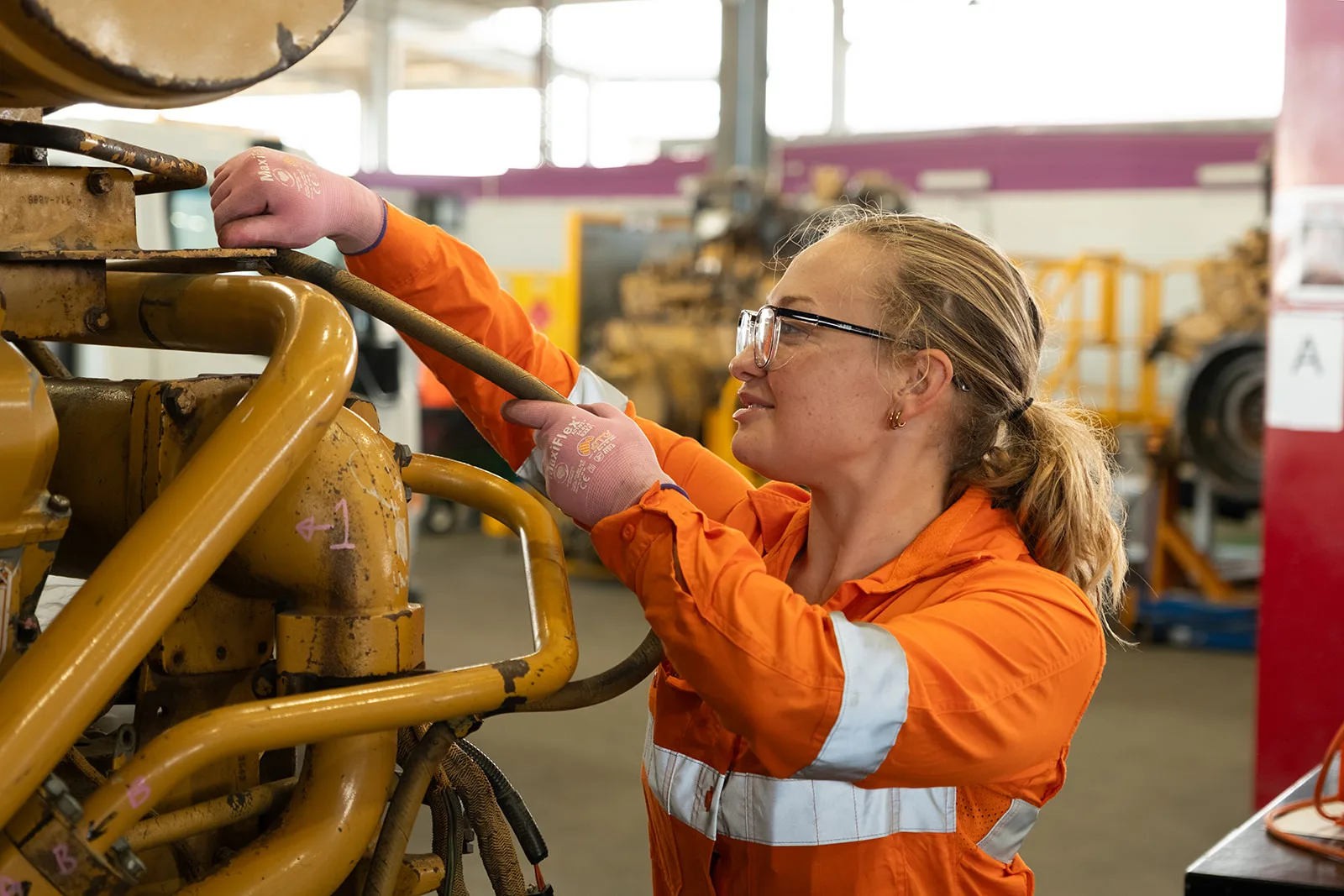
Working in Mackay and Central Queensland shapes this more than people expect. Summer can be a pain, the wet season brings rain that forces reschedules more often than clients would like, and outdoor interviews in particular need a backup plan built into the booking from the start. There's also a lot of mining and agriculture in this region, and clients like EHS Manufacturing come with a different set of needs to a hospitality or property client: less about lifestyle and warmth, more about credibility, process, and getting technical detail right without the interview sounding like a training video. Knowing which register a client needs, and adjusting the questions accordingly, comes from doing this work here every week, not from a generic video production checklist.
Got a business story that needs a real person telling it?
Owner interviews, staff testimonials, manufacturing and industrial clients, property owners with a story behind the name. Tell me who's talking and what they need to explain, and I'll tell you what the shoot looks like. Based in Mackay, covering Central Queensland.
Start a Conversation →